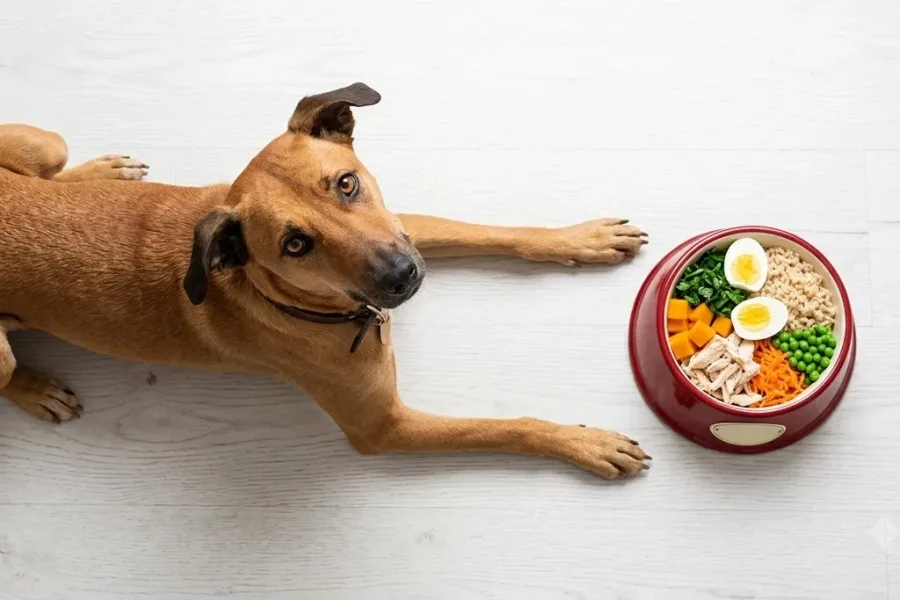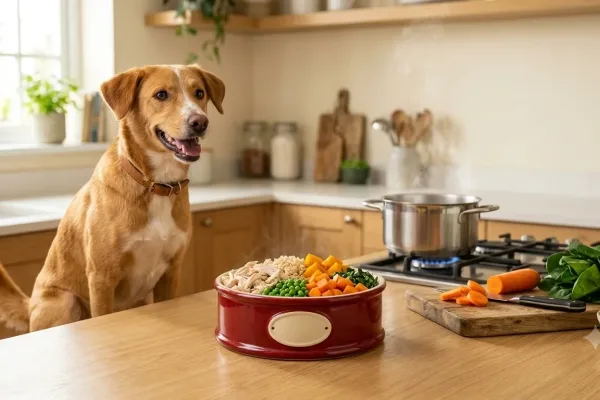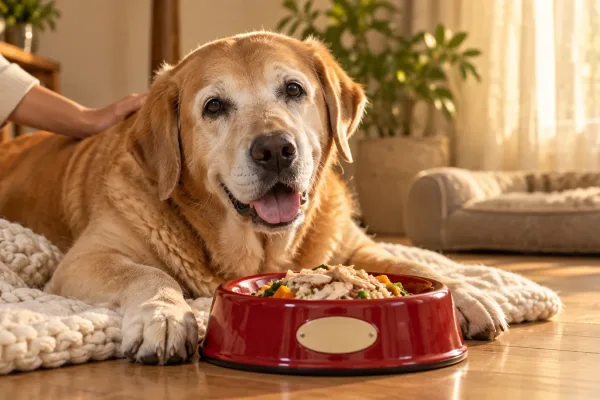
Transitioning your dog to fresh food is one of the best decisions you can make for their health, but it's important to do it correctly. A gradual transition helps prevent digestive upset and allows your dog's system to adjust to their new, nutrient-rich diet.
Why Gradual Transition Matters
Your dog's digestive system has adapted to their current food, developing specific enzymes and gut bacteria to process it. A sudden change can overwhelm their system, leading to diarrhea, vomiting, or refusal to eat. A gradual transition gives their digestive system time to adjust.
The Standard Two-Week Transition
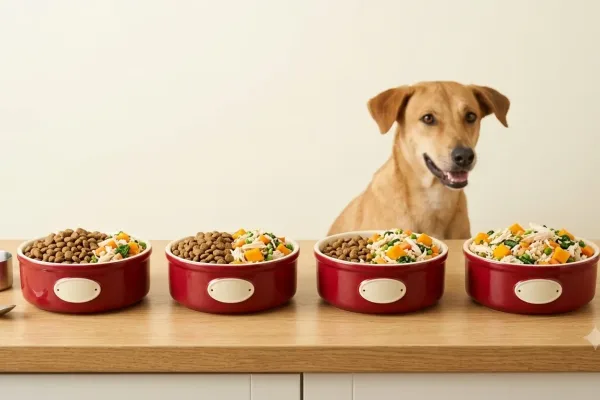
For most dogs, a two-week transition period works well. Here's the day-by-day breakdown:
Days 1-3: Mix 25% fresh food with 75% old food. Watch for any digestive changes. Most dogs handle this ratio well, and you might already notice increased enthusiasm at mealtime.
Days 4-6: Increase to 50% fresh food and 50% old food. This is often when you'll start seeing the first benefits—improved stool quality and increased energy.
Days 7-10: Move to 75% fresh food and 25% old food. By now, your dog's digestive system is adapting well to the new food.
Days 11-14: Complete the transition to 100% fresh food. Congratulations—you've successfully transitioned your dog to a healthier diet!
Adjusting the Timeline
Some dogs need a slower transition, particularly:
- Senior dogs with sensitive digestion
- Dogs with a history of digestive issues
- Dogs who have been on the same food for many years
- Dogs with food sensitivities or allergies
For these dogs, consider a three to four-week transition, moving more slowly through each stage. There's no rush—the goal is a smooth, comfortable transition.
What to Watch For
During the transition, monitor your dog for:
- Stool quality: Some softening is normal initially, but persistent diarrhea means you're moving too fast
- Energy levels: Most dogs show increased energy, but lethargy could indicate an issue
- Appetite: Enthusiasm for meals is normal, but refusal to eat warrants attention
- Coat condition: You might notice improvements even during transition
Common Transition Challenges
Loose Stools: If stools become too loose, slow down the transition. Go back to the previous ratio for a few more days before progressing.
Picky Eating: Some dogs are initially suspicious of new food. Try warming it slightly to enhance aroma, or hand-feeding a few bites to encourage interest.
Increased Thirst: Fresh food has higher moisture content than kibble, so your dog may drink less water. This is normal and healthy.
Supporting the Transition
You can support your dog's transition with:
- Probiotics: These support gut health during dietary changes
- Digestive enzymes: Can help dogs adjust to fresh food more easily
- Pumpkin: A tablespoon of pure pumpkin can help regulate digestion
After the Transition
Once fully transitioned, most dogs show remarkable improvements within 4-6 weeks:
- Shinier, healthier coat
- Improved energy levels
- Better weight management
- Smaller, firmer stools
- Reduced allergies or sensitivities
- Improved breath and dental health
Our Transition Support
At Paw's Pantry, we provide detailed transition guidelines with every first order. Our customer care team is available to answer questions and provide support throughout your dog's transition journey. We want this change to be as smooth and successful as possible for both you and your dog.
Trust the Process
Transitioning to fresh food is an investment in your dog's long-term health. While it requires patience and attention during the transition period, the benefits—improved health, vitality, and quality of life—make it absolutely worthwhile. Take it slow, watch your dog's response, and enjoy watching them thrive on their new diet.