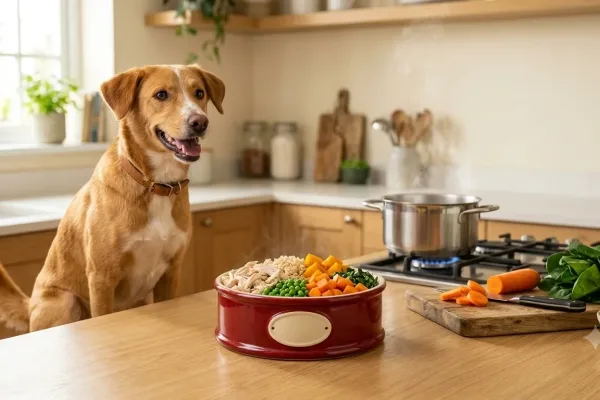
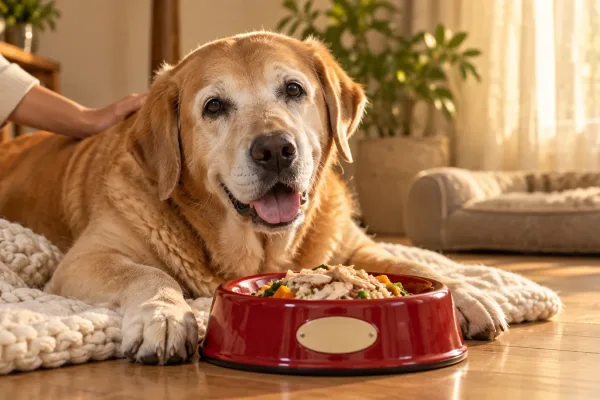
As our beloved companions enter their golden years, their nutritional needs evolve significantly. Understanding and adapting to these changes can help ensure your senior dog enjoys their later years with vitality, comfort, and good health.
When Does a Dog Become a Senior?
The age at which a dog is considered senior varies by size. Small breeds typically reach senior status around 10-12 years, medium breeds around 8-10 years, and large or giant breeds as early as 6-7 years. Regardless of age, it's the physiological changes that matter most.
Reduced Caloric Needs
Senior dogs generally have slower metabolisms and reduced activity levels, meaning they require fewer calories to maintain a healthy weight. However, this doesn't mean less nutrition—in fact, the quality of calories becomes even more important. Focus on nutrient-dense foods that provide maximum nutrition without excess calories.
Joint Health Support
Arthritis and joint issues are common in senior dogs. Diets rich in omega-3 fatty acids, glucosamine, and chondroitin can help support joint health and reduce inflammation. Ingredients like fish, green-lipped mussels, and certain vegetables provide natural sources of these beneficial compounds.
Protein Requirements
Contrary to old beliefs, senior dogs actually need high-quality protein to maintain muscle mass. As dogs age, they become less efficient at processing protein, so they need more of it—but it must be highly digestible. Lean meats, fish, and eggs are excellent sources.
Digestive Health
Senior dogs often experience digestive changes, including decreased stomach acid production and slower gut motility. Easily digestible foods with adequate fiber help maintain digestive health. Probiotics can also support the aging digestive system.
Cognitive Function
Cognitive decline affects many senior dogs. Antioxidants, omega-3 fatty acids (particularly DHA), and medium-chain triglycerides (MCTs) have been shown to support brain health. Ingredients like blueberries, fish oil, and coconut oil can be beneficial.
Hydration Considerations
Senior dogs may not drink as much water as they should. Fresh food diets, with their high moisture content, help ensure adequate hydration, which is crucial for kidney function and overall health.
Our Senior-Friendly Meals
At Paw's Pantry, we've developed meals specifically formulated for senior dogs, taking into account all these special considerations. Our senior meals are lower in calories but rich in high-quality protein, joint-supporting nutrients, and brain-healthy ingredients.